adoption · rescue · new dog
The first 30 days with an adopted dog: what to skip
The quiet dog you drive home is a stressed dog holding still. What to do and what to skip in the first month, and why the adopter assessment is free.
By Phillip Greene ·
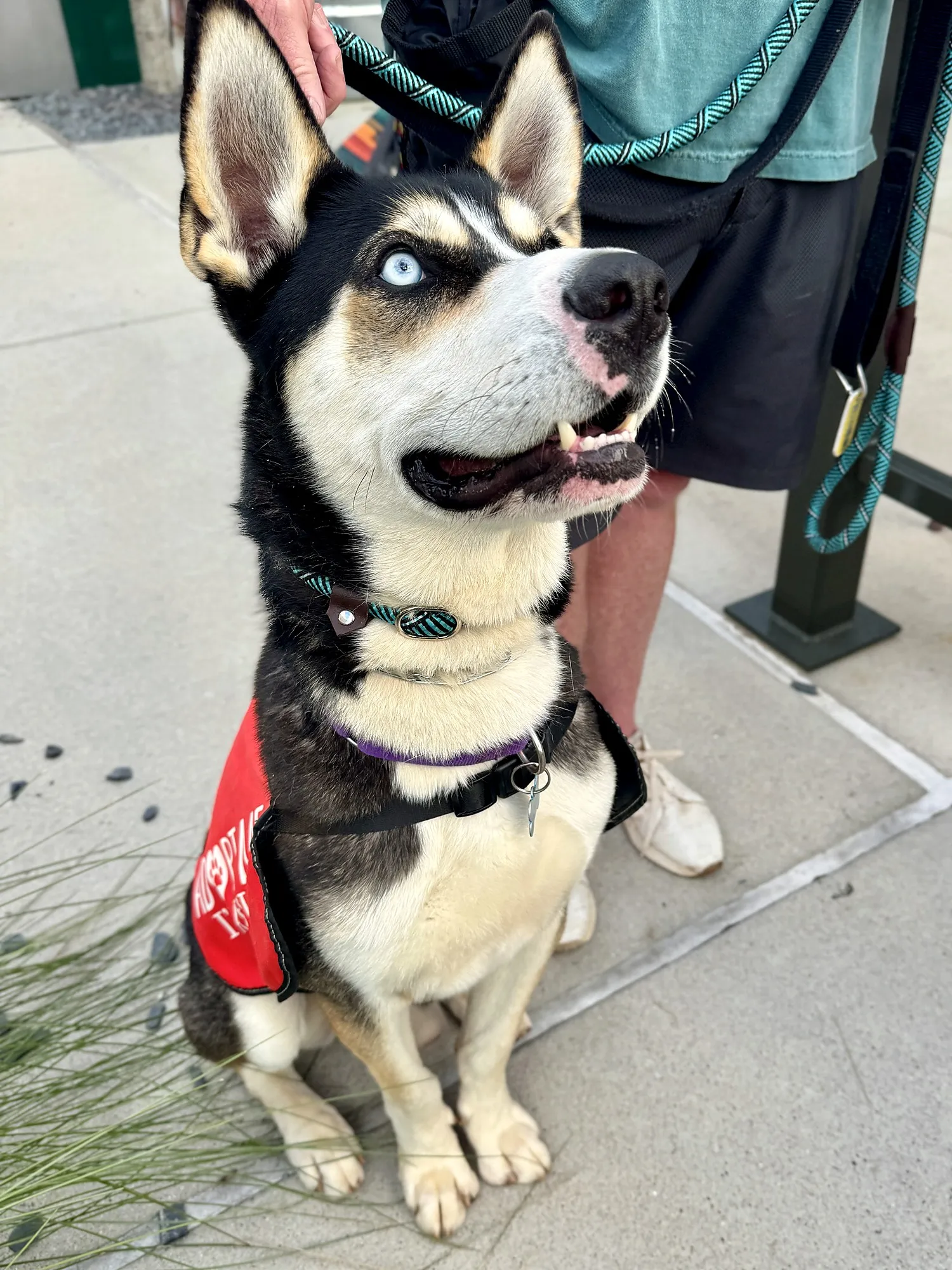
The dog you brought home is not the dog you will have
I volunteered in rescue before I trained dogs for a living, so I have seen a lot of first days. The dog in the car on the way home is quiet. Too quiet. The family thinks they got the calm one.
Then week three arrives and the calm one is counter surfing and has opinions about the cat.
Nothing went wrong. The dog just arrived.
Rescue people talk about a “3-3-3” rule: three days to decompress, three weeks to learn the routine, three months to feel at home. It is a rule of thumb, not science, and plenty of dogs ignore the schedule. But it is useful because it tells you that the version of the dog you meet on day one is a stressed dog holding still. The real dog shows up later, and you want the routine built before he does.
Week one: less than you think
The instinct after adopting is to do everything. Pet store, dog park, the brewery patio, the family barbecue, meet all the neighbor dogs. Show him his new life.
Please do not.
A dog who has just left a shelter or a temporary home has had his whole world replaced. Nothing smells right and nobody has explained the rules. His stress hormones are up, and they take days to settle. Every new experience in week one lands on a nervous system that is already full.
So here is my week one list, and it is short.
Walks around the block, on leash, at quiet times. Not the park.
Meals at the same time, in the same place. Same food the rescue was using, for now. Switch later if you want, and switch slowly.
A crate or a pen or a quiet room with the door closed, where nothing happens to him. Not as punishment. Just the one place in the house that is his.
No visitors for a few days. Then one at a time, and they ignore the dog until the dog decides to say hello.
No dog park. No daycare. No off leash anything. You do not have a recall yet. You do not even know whether his name is his name yet.
And a lot of nothing. Sitting in the same room, not touching him, letting him watch. Big dogs especially need to be allowed to not perform for a while.
Crate, place, and routine
A few things carry most of the weight in the first month, and none of them is a trick.
The crate. I know some people hate them. Used right, a crate is a bedroom, not a jail. Feed him in it with the door open. Toss treats in and walk away. Close the door for a minute while you are in the room, then five, then while you get the mail. If the dog panics in the crate, stop and call me, because that is a different problem and pushing through makes it worse.
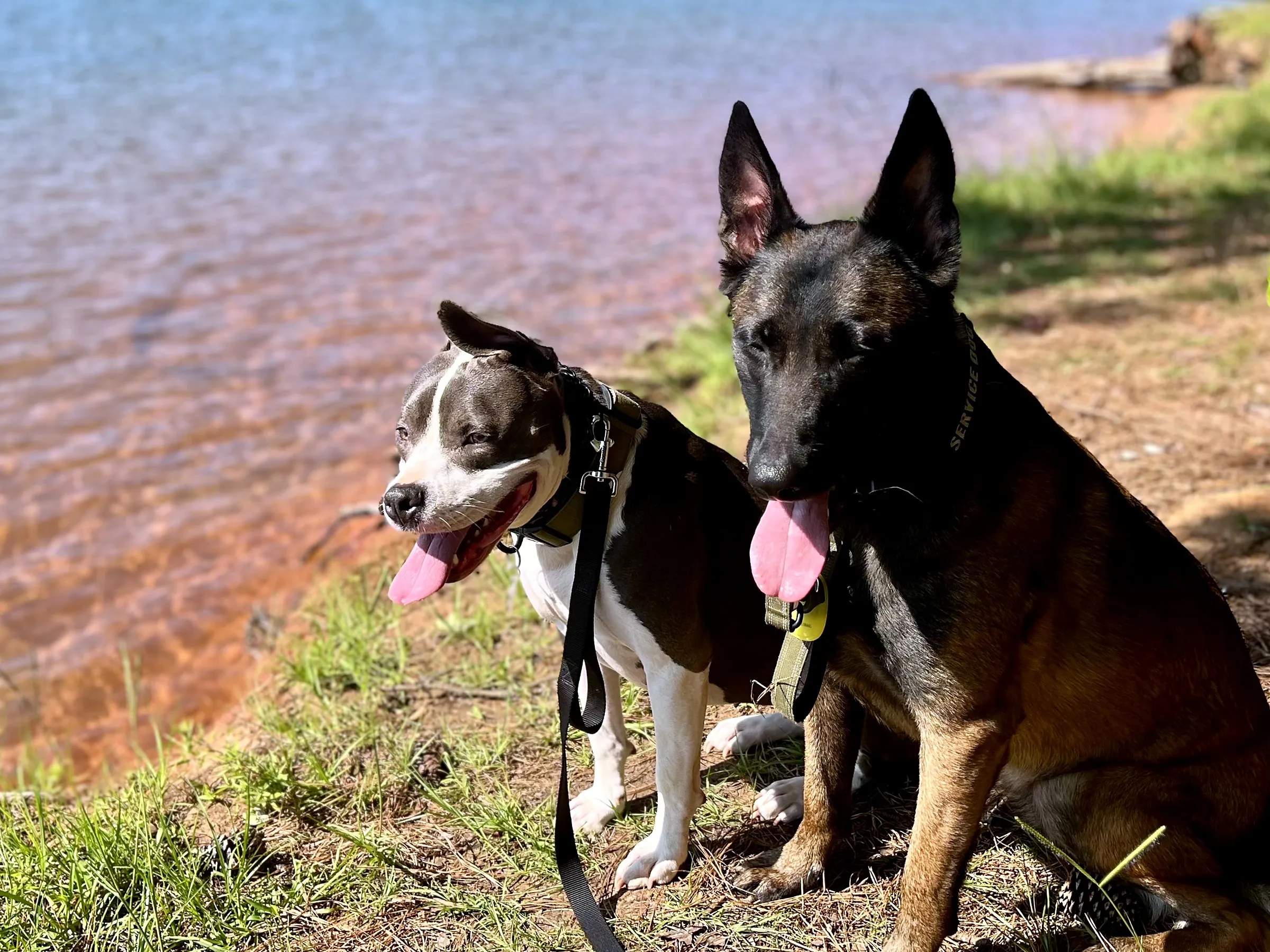
Place. A mat or a raised cot, and the dog learns that being on it is a good deal. Start with a treat for stepping on. Build to a minute, then a few, then while you eat dinner. In a house with a new large dog, “go to your place” is the skill that makes guests possible, and it is the one I use most in my own home with my own two.
Routine. Same wake time, same walk, same meals, same bedtime. A dog cannot relax in a house where he cannot predict anything. Boring is a gift.
Notice what is not on the list. Sit, down, shake, and the fancy stuff can wait. They are easy to add once the dog can settle. They are nearly impossible to add before.
What I would skip entirely
Punishment for things he does not understand yet. He does not know the rules. He is a dog in a new house, doing what dogs do in new houses.
Bathing, nail trims, and vet visits that are not urgent. Get them done in week two or three, after he trusts you a bit. (If the rescue asked for a vet check within a set time, do it, but keep it short and bring treats.)
Introducing him to your friend’s dog “to see how he does.” You will find out how he does when he is settled, on neutral ground, on leash, with both dogs having had a walk first.
Testing him. Taking his food bowl away, hugging him, grabbing his collar, “to see if he’s okay with it.” He may be. Do not find out on day four.
When the honeymoon ends
Somewhere between the second and fourth week, the dog stops being a guest. He has figured out the house, he is less tired, and he starts trying things.
This is when people call me. The dog they adopted was “perfect for two weeks” and now he is barking at the mail truck and pulling on the walk and growling at the neighbor’s kid over a chew.
I have to say this gently: he was always going to do this. The first two weeks were the shutdown. What you are seeing now is the actual dog, with his actual history, and now training can start, because now there is a dog to train.
It is also when medical stuff shows up. A dog who has been sitting quietly for two weeks and suddenly cannot settle might be a dog who finally feels safe enough to show you a sore hip. If something changes suddenly, talk to your vet before you talk to me. I will ask anyway.
The free adopter assessment
I do a 45 minute Initial Assessment Visit in your home, and for anyone who has adopted a dog in the last six months, it is free. Bring the adoption paperwork and that is it.
Why free? Because the first month is when the small habits get set, and I have watched too many dogs go back to the shelter at month two over things that were fixable at week three. If I can get into the house early, look at the crate setup and watch one walk, then hand you a plan, that dog stays. That is the whole reason I do this job.
Details on what to expect and how to book are on the adopters page. If you are further out than six months, the assessment is $125 and the same hour. If the dog is a puppy or you have never owned one before, the puppy and new dog work starts the same way.
One more thing
The dog who eventually curls up at your feet in month three is a different animal from the one you drove home. Give him the boring weeks. He is going to be great, but he needs to find out that he lives here first.
If you have adopted recently and something already feels off, the phone consult is free and short. Call before the honeymoon ends, not after.